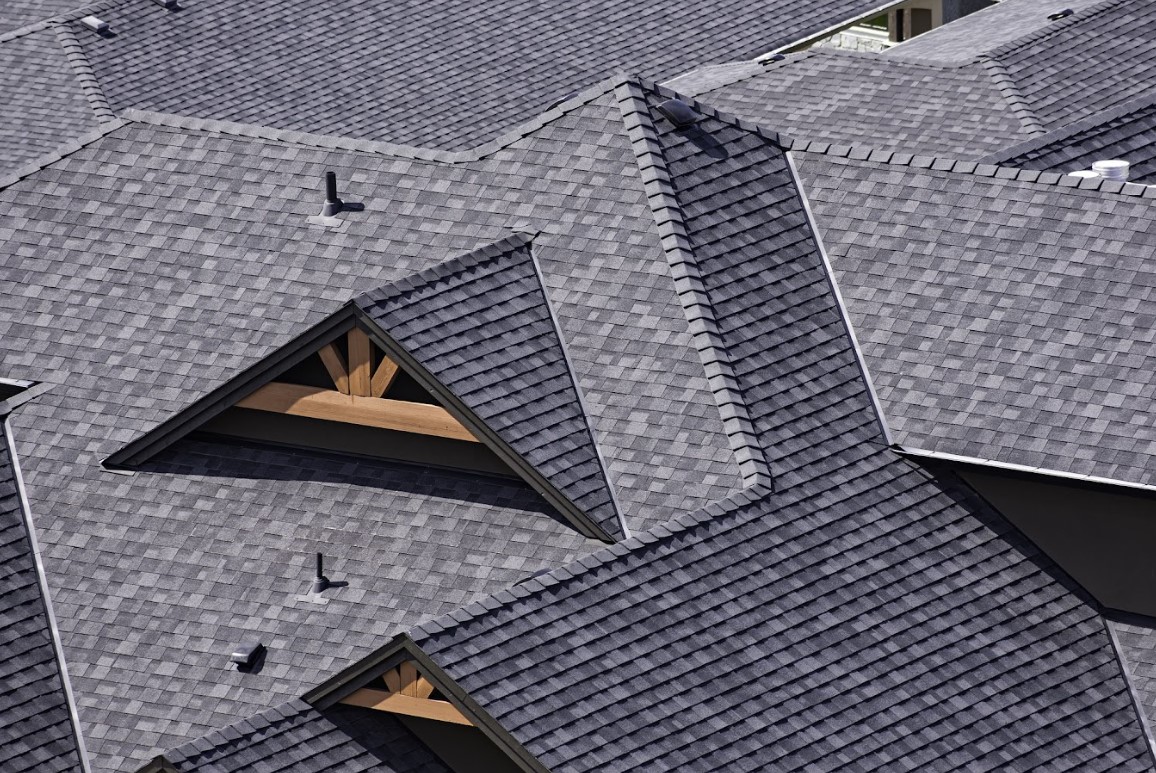
Every summer in Moonpark, attic temperatures quietly climb into the triple digits. Homeowners feel it in hotter bedrooms, overworked AC systems, and rising energy bills. What most do not realize is that poor attic airflow is also shortening their roof’s life.
Roof ventilation is not flashy. You will not see it from the curb. But when designed correctly, it plays a major role in protecting shingles, underlayment, decking, and insulation. Over time, proper ventilation can add years to a roof’s service life.
If you are researching roof ventilation, roof lifespan, Moonpark, you are already thinking ahead. You are looking for ways to protect your home and avoid premature roof replacement.
Shelter Roofing & Solar serves homeowners in Moorpark, Thousand Oaks, and nearby Ventura County communities with professional roof ventilation assessments and upgrades.
In this guide, you will learn:
- How roof ventilation impacts roof lifespan
- Signs your home may need ventilation upgrades
- Common ventilation options for Southern California homes
- When it makes sense to upgrade ventilation
If you want help evaluating your current ventilation setup, Shelter Roofing & Solar can help.
Roof Ventilation Basics and Why It Matters in Moonpark
Roof ventilation is the system that allows fresh air to enter the attic and hot, moist air to exit. Most homes rely on a combination of intake vents near the eaves and exhaust vents near the ridge or roof peak.
When this system is balanced, heat and moisture are continuously flushed out of the attic.
When ventilation is inadequate, hot air becomes trapped. In Moonpark, that trapped heat can reach extreme temperatures during summer months. Over time, excessive attic heat:
- Bakes roofing materials from underneath
- Causes shingles to age faster
- Warps roof decking
- Breaks down underlayment
- Traps moisture that can lead to mold and rot
California building codes require minimum ventilation ratios, but many older homes were built before current standards or have ventilation that no longer performs properly after remodels and additions.
This is why ventilation upgrades are often recommended during roof replacement or major roof repairs.
What to Know Before Planning Ventilation Upgrades
Before solving the problem, a few fundamentals should be clear.
First, understand your roof type and attic layout. Different roof structures require different ventilation strategies.
Second, consider roof age. If your roof is already near the end of its lifespan, it often makes sense to combine ventilation upgrades with roof replacement.
Third, set a rough budget range. Ventilation upgrades are usually affordable compared to major roof work, but costs vary based on vent type and roof complexity.
Fourth, check whether permits are required. Many ventilation improvements fall under roofing permits when tied to other work.
Finally, work with a contractor who evaluates the entire roofing system, not just adds vents randomly.
These steps help ensure upgrades actually improve performance instead of creating new problems.
If you are also evaluating a future roof replacement or solar installation, our Moonpark Solar Roof Cost & ROI Guide 2026 walks through how roofing, solar, and battery upgrades work together from an investment perspective.
Roof Ventilation Upgrades That Extend Roof Lifespan
Not all ventilation systems are the same. The right solution depends on your roof design, attic size, and existing airflow.
Ridge Vent Installation
Ridge vents run along the peak of the roof and allow hot air to escape naturally. They provide continuous exhaust across the entire ridge line and are one of the most effective ventilation options for sloped roofs.
Ridge vents help maintain consistent attic temperatures and reduce heat buildup that accelerates shingle aging.
Intake Vent Improvements
Exhaust ventilation only works when fresh air can enter the attic. Intake vents are typically installed at the eaves or soffits.
Many homes have insufficient intake, which limits airflow even if exhaust vents are present. Adding or improving intake vents balances the system and increases overall effectiveness.
Solar-Powered Attic Fans
Solar attic fans actively pull hot air out of the attic using energy from the sun. These are useful on homes with limited ridge space or complex roof designs.
They can significantly reduce attic temperatures during peak heat hours without increasing electric bills.
Gable Vents
Gable vents are installed on the exterior walls at each end of the attic. While common in older homes, they are often best used as supplemental ventilation rather than a primary solution.
Hybrid Ventilation Systems
Some homes require a combination of ridge vents, intake vents, and mechanical ventilation to achieve proper airflow.
A professional evaluation determines which combination makes sense.
Signs Your Home May Need Better Ventilation
Many homeowners do not realize they have ventilation problems until damage appears.
Common warning signs include:
- Excessive attic heat
- Uneven indoor temperatures
- Premature shingle cracking or curling
- Mold or mildew odors
- High cooling costs
If you notice any of these, a ventilation assessment is worth scheduling.
How Ventilation Impacts Roof Lifespan
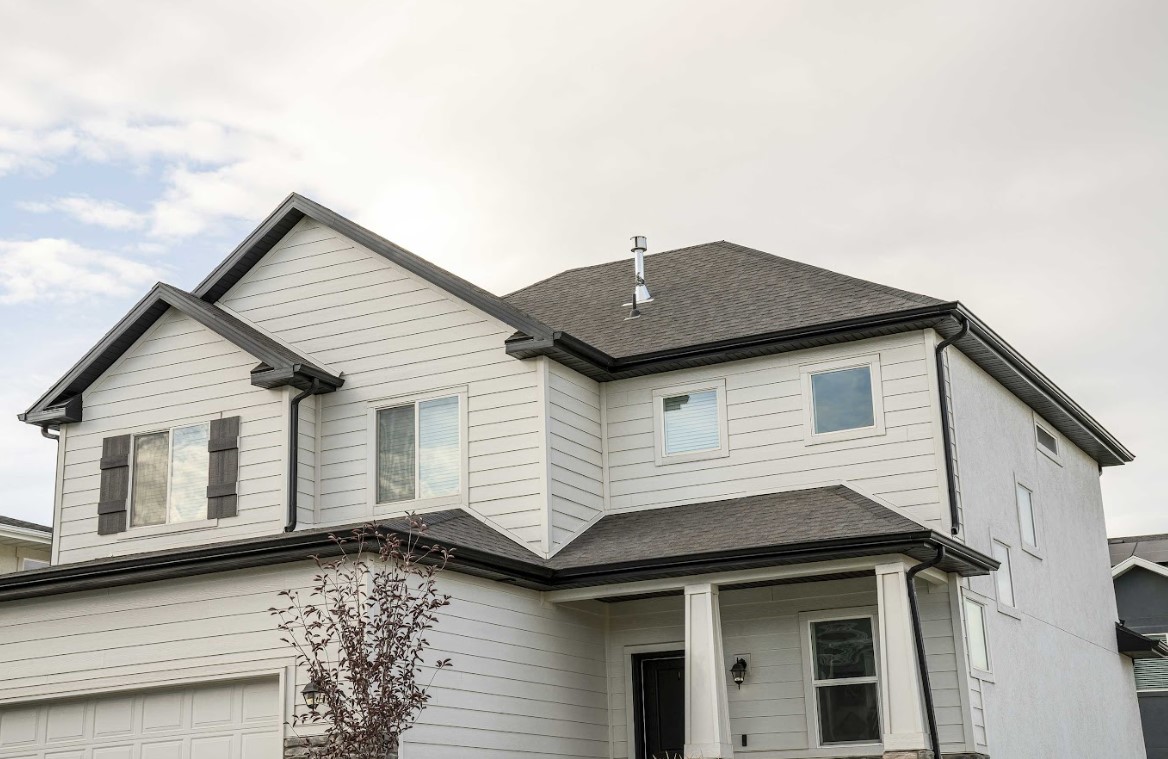
Heat is one of the biggest enemies of roofing materials. Prolonged exposure causes asphalt shingles to lose protective oils faster, leading to brittleness and early failure.
Proper ventilation lowers attic temperatures and reduces thermal stress on the roof system. This slows material degradation and helps roofs reach their intended lifespan.
In many cases, ventilation upgrades can add several years of service life to a roof.
Protecting Your Investment: Equipment, Warranties, and System Design
Ventilation components must be compatible with the roofing system and installed correctly to perform as intended.
Shelter Roofing & Solar uses high-quality ventilation products designed to integrate with asphalt shingle, tile, and synthetic roofing systems.
Homeowners benefit from:
- Manufacturer-backed product warranties
- Up to 25-year workmanship warranties
- Proper flashing and sealing techniques
Common risks with poorly installed ventilation include water intrusion, short-circuiting airflow, and reduced exhaust efficiency.
Shelter Roofing & Solar mitigates these risks by evaluating attic layout, intake and exhaust balance, and roof structure before recommending upgrades.
Pros of upgrading roof ventilation
- Extends roof lifespan
- Improves indoor comfort
- Lowers cooling costs
- Reduces moisture risk
Cons
- Upfront cost
- Requires roof penetrations
For most homeowners, the long-term benefits outweigh the initial investment.
Moonpark Roof Ventilation & Roof Lifespan FAQs
If you are researching roof ventilation upgrades in Moonpark, these are the most common questions homeowners ask about cost, performance, and long-term value.