Quick Take on Santa Clarita Solar Incentives & Rebates in 2026
If you own a home in Santa Clarita and are thinking about solar this year, the first question most homeowners ask is simple:
What solar incentives are still available in 2026, and are they actually worth it?
The answer is yes. Several incentives are still active, and when used strategically they can significantly reduce the cost of installing solar.
The most important incentives available to Santa Clarita homeowners in 2026 include:
- The 30% federal solar tax credit
- California battery rebates through the SGIP program
- The California property tax exclusion for solar
- Long-term savings from generating your own electricity
But there’s an important shift homeowners need to understand. California’s updated NEM 3.0 policy changed how solar systems produce savings. Solar still works well, but the strategy behind the system matters more than it did a few years ago.
Understanding how these incentives work together is the first step toward making a smart energy decision for your home.
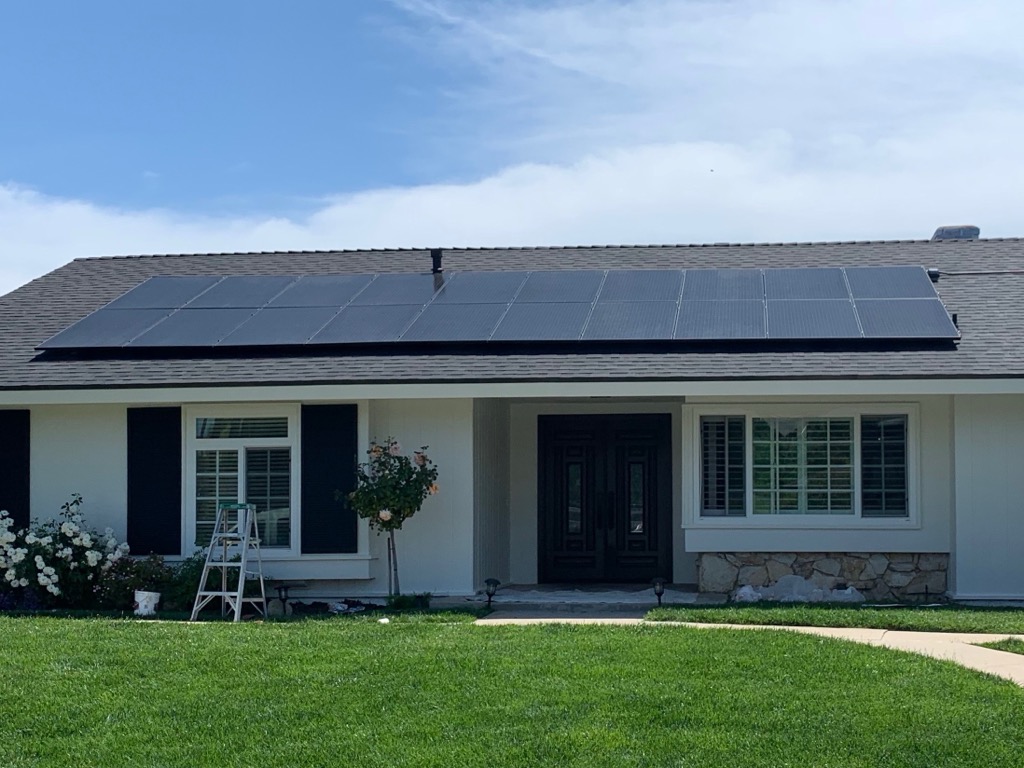
What Solar Incentives Are Available in Santa Clarita in 2026?
Homeowners looking into solar this year have access to several programs that can reduce installation costs.
The most common incentives include:
| Incentive | Type | Benefit |
| Federal Solar Tax Credit | Federal | 30% tax credit on installation costs |
| SGIP Battery Rebates | California | Rebates for home battery storage systems |
| Property Tax Exclusion | California | Solar installations do not increase property taxes |
| Utility Bill Savings | Local | Reduced electricity purchases from the grid |
Taken together, these incentives can substantially lower the cost of installing solar while improving long-term energy savings.
To see why they matter, it helps to look at the local energy environment.
Why Solar Incentives Matter for Santa Clarita Homeowners
Every summer across Santa Clarita, homeowners experience the same pattern.
Temperatures climb. Air conditioners run longer. Electricity bills follow.
That’s when many homeowners start researching solar incentives and tax credits that could help control long-term energy costs.
These programs exist for a simple reason: federal and state policies encourage homeowners to generate their own electricity rather than relying entirely on utility providers.
Southern California is particularly well positioned for solar because of several factors:
- Santa Clarita averages more than 280 sunny days each year
- California electricity rates are among the highest in the United States
- Many homes built in the 1980s and 1990s have roof designs that work well for solar
When those conditions are combined with the incentives available in 2026, solar can become a practical long-term energy strategy for many homeowners.
The largest of those incentives comes from the federal government.
The Federal Solar Tax Credit: The Largest Solar Incentive in 2026
For most homeowners evaluating solar, the federal solar tax credit is the single largest financial incentive available.
This program allows homeowners to deduct 30% of the cost of installing a solar system from their federal taxes.
The credit applies to the entire installation, including:
- Solar panels
- Inverters and electrical equipment
- Installation labor
- Battery storage systems
- Permits and engineering
Here’s a simple example.
| System Cost | Federal Tax Credit | Net Cost |
| $30,000 | $9,000 | $21,000 |
Reducing the upfront cost by nearly one third can dramatically improve the long-term return on investment.
Solar Tax Credit Timeline
Timing also matters when evaluating solar.
The federal program currently follows this schedule:
| Year | Credit |
| Through 2032 | 30% |
| 2033 | 26% |
| 2034 | 22% |
For homeowners considering solar, installing while the 30% credit remains available can make a meaningful financial difference.
However, federal incentives are only part of the equation. California policies also influence the financial benefits of solar.
California Programs That Strengthen Solar Savings
Beyond the federal tax credit, California offers additional policies that improve the economics of residential solar.
Two programs are particularly important.
California Property Tax Exclusion
Normally, when a home improvement increases the value of your property, property taxes increase as well.
Solar systems are treated differently.
California allows homeowners to install solar without increasing property tax assessments. This means homeowners benefit from higher property value without paying higher property taxes.
For homeowners thinking about their property as a long-term investment, this is a meaningful advantage.
SGIP Battery Rebates
Battery storage has become a central part of modern solar installations.
California’s Self-Generation Incentive Program (SGIP) offers rebates for installing battery storage systems.
These incentives help homeowners:
- Reduce battery installation costs
- Store solar energy for evening use
- Maintain power during outages
- Improve system performance under NEM 3.0
Because of these benefits, battery rebates now play an important role in maximizing solar savings in California.
How NEM 3.0 Changed Solar Strategy
Anyone researching solar in California today will eventually encounter NEM 3.0.
This policy changed how utilities compensate homeowners for excess solar electricity sent to the grid.
Under earlier programs, homeowners received close to retail electricity rates for exported solar energy.
Under NEM 3.0, export rates are significantly lower.
At first glance this might seem like a disadvantage, but in reality it simply changes the strategy.
Solar systems today perform best when they prioritize:
- Self-consumption
- Battery storage
- Energy use during peak rate periods
Instead of exporting electricity, homeowners often see greater savings by storing solar power for later use.
Utility territory also matters. Homes served by Southern California Edison operate under NEM 3.0 export rates, while areas served by LADWP follow different compensation structures.
Understanding these differences helps ensure solar systems are designed for maximum efficiency and savings.
Average Electricity Costs in Santa Clarita
Another reason homeowners begin researching solar incentives is the rising cost of electricity.
Many households in Southern California pay between:
$200 and $450 per month for electricity.
Solar systems designed properly can reduce electricity costs by 60 to 90 percent, depending on system size and energy usage.
Combined with tax credits and battery incentives, those savings are often what make solar financially attractive.
Is Solar Still Worth It in 2026?
One of the most common questions homeowners ask today is whether solar still makes sense after NEM 3.0.
The answer is yes, but system design matters more than ever.
Modern solar installations often include battery storage and are designed around the homeowner’s energy usage patterns. When systems are designed correctly, they can still deliver strong long-term savings.
For homeowners planning to stay in their home for many years, solar can also increase property value while protecting against rising electricity rates.
Preparing to Take Advantage of Solar Incentives
Before installing solar panels, homeowners should evaluate a few key factors.
Roof Condition
Solar panels typically last 25 to 30 years.
If a roof is nearing the end of its lifespan, installing solar before replacing the roof could create unnecessary costs later.
For this reason, many homeowners evaluate roof replacement and solar installation at the same time.
Budget and System Size
Solar installation costs vary depending on roof size, electricity usage, and equipment selection.
Typical installation ranges include:
| System Size | Estimated Cost | After Tax Credit |
| 6 kW | $18,000 | $12,600 |
| 8 kW | $24,000 | $16,800 |
| 10 kW | $30,000 | $21,000 |
Understanding these numbers helps homeowners evaluate the financial impact of available solar incentives.
Why Combining Roofing and Solar Makes Sense
Many homeowners focus only on the solar equipment itself.
But one of the most important factors is the condition of the roof supporting the system.
Because solar panels remain in place for decades, installing them on an aging roof can create future complications.
Combining roof replacement with solar installation can:
- Avoid panel removal costs later
- Align roof lifespan with solar lifespan
- Simplify scheduling and installation
At Shelter Roofing and Solar, we install:
- Roof replacements
- Roof repairs
- Solar panel systems
- Whole-home battery backup systems
All work is completed in-house without subcontractors, allowing homeowners to handle roofing and solar projects through one experienced contractor.
This approach simplifies the process and protects the long-term performance of both systems.
Experience Matters When Installing Solar
Solar systems are long-term investments, and installation experience plays a major role in performance.
Shelter Roofing and Solar is a second-generation family-owned company with more than 40 years of experience serving Moorpark, Thousand Oaks, Agoura Hills, Simi Valley, and surrounding communities.
Our certifications include:
- CertainTeed
- Owens Corning
- Enphase
We provide:
- 25-year workmanship warranties
- Lifetime product warranties
Our team has installed roofing systems ranging from standard homes to large custom properties with roofing budgets exceeding $100,000.
For homeowners investing in solar systems designed to last decades, experience matters.
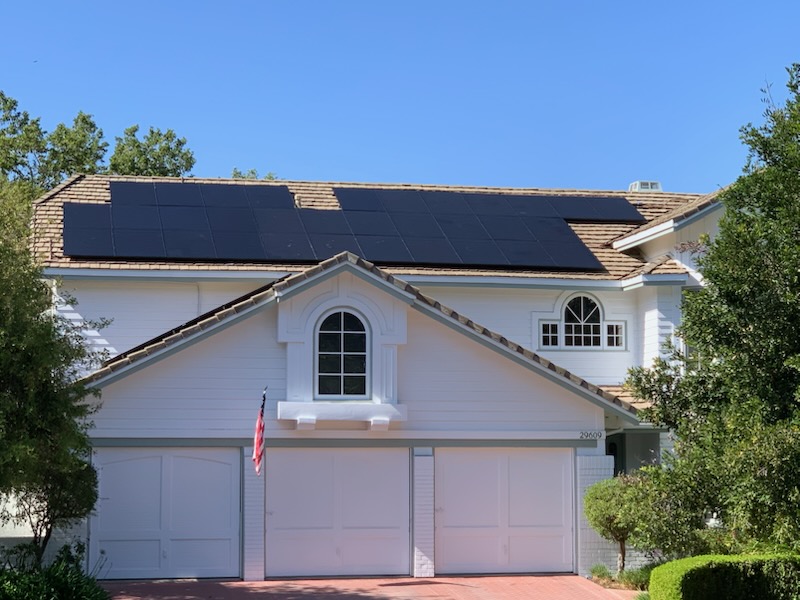
Santa Clarita Solar Incentives and Rebates 2026: Common Homeowner Questions
Homeowners researching solar incentives often ask the same questions when evaluating whether solar makes financial sense. The answers below address several of the most common questions about solar incentives available in Santa Clarita in 2026.