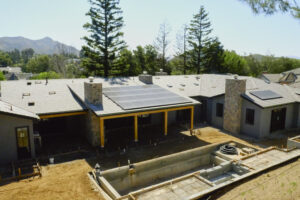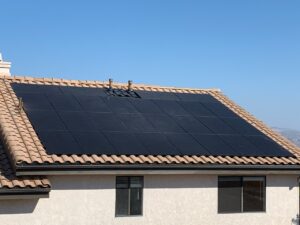
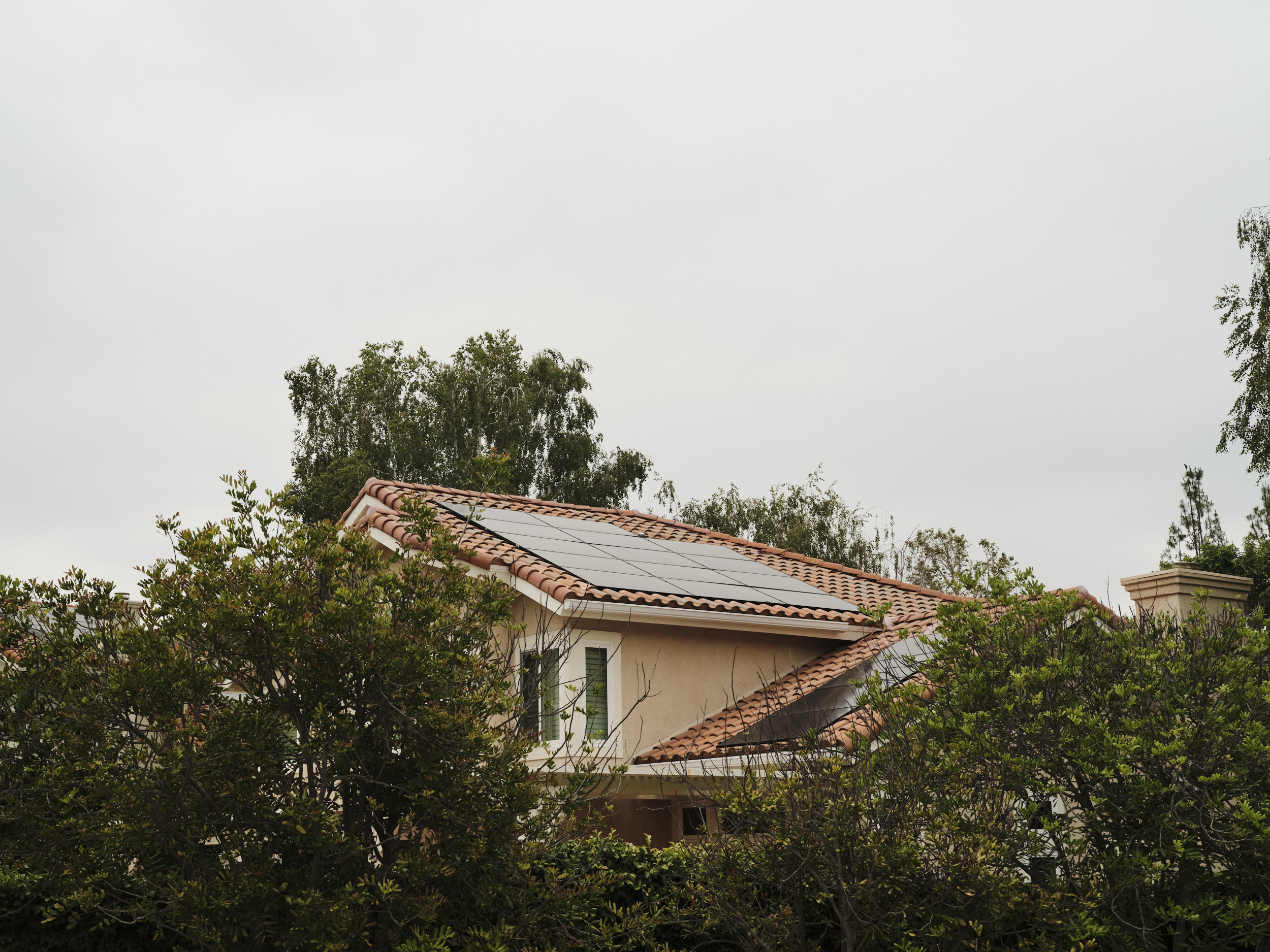
Drive through Calabasas neighborhoods and one thing stands out immediately. Tile roofing dominates the landscape. From hillside estates to established family homes, concrete and clay systems define the area’s architectural identity.
That raises an important question for homeowners: what is the real tile roof lifespan in Calabasas, and how long should tile roofing actually last under local conditions?
Before making decisions about repairs or replacement, here are the key realities:
- Tile surfaces often last decades longer than the waterproofing beneath them
- Sun exposure plays a larger role in tile roof lifespan than major storms
- Many tile roofs need underlayment replacement before tiles wear out
- Planning properly can extend performance and protect property value
If you want a professional evaluation of your existing system, Shelter Roofing & Solar can help. Start by requesting a detailed roof assessment through our homepage.
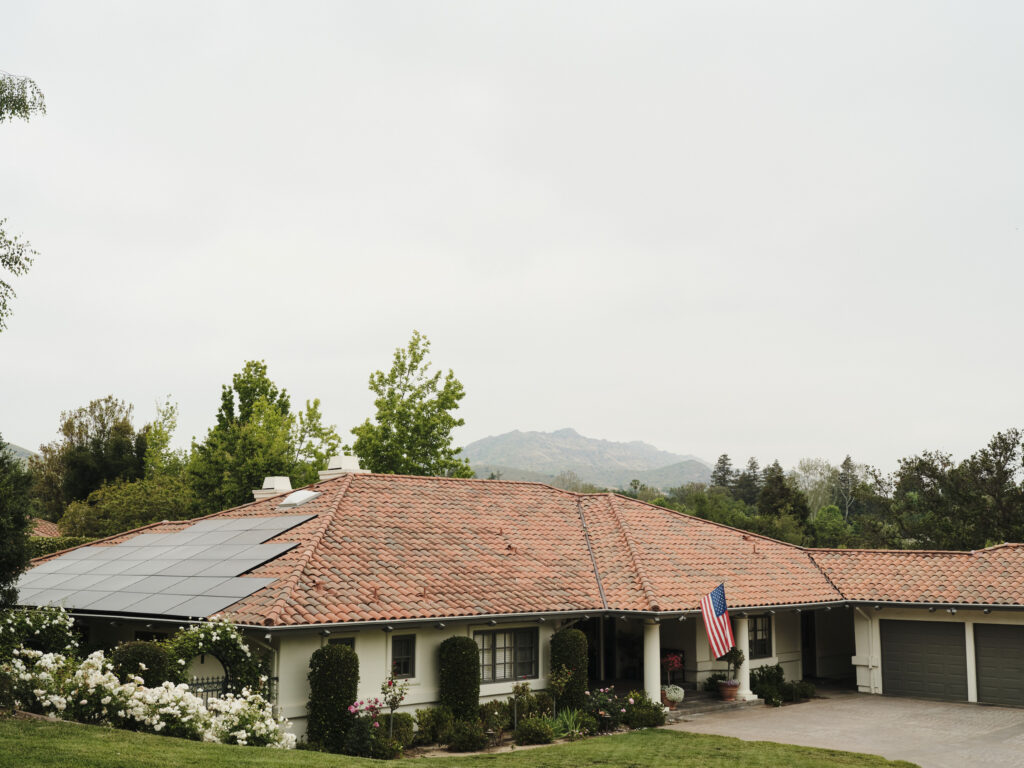
Why Tile Roof Lifespan Matters in Calabasas
Tile roofing performs differently here than in cooler or storm-heavy regions.
Homes in Calabasas face:
- Extended UV exposure
- Long dry heat cycles
- Seasonal rainfall
- Strict fire rating expectations
Concrete and clay tile both carry Class A fire ratings, which is a major reason they are widely used in hillside and high-value neighborhoods.
However, tile roof lifespan is not determined by the tile alone. It is determined by the entire roofing system, including:
- Underlayment
- Flashing
- Ventilation
- Installation quality
Many homeowners assume tile roofs last forever. While tile itself is extremely durable, the waterproofing layer beneath it typically ages faster.
Understanding that distinction is critical when evaluating longevity.
What to Evaluate Before Addressing Tile Roof Longevity
Before deciding whether your tile roofing needs repair, reset, or replacement, review these practical factors.
Age of the Roof
Most tile roofs installed between the 1980s and early 2000s are approaching or exceeding 25 to 35 years. Even if the tile appears intact, the underlayment may be nearing the end of its service life.
Type of Tile Installed
Concrete tile and clay tile perform similarly in lifespan, but installation methods and underlayment choices vary by era.
For a deeper breakdown of styles and performance differences, see our article on The Most Popular Tile Roofs.
Previous Repairs
Patchwork repairs can extend surface life but may not address aging waterproofing layers underneath.
Budget Planning
Tile reset projects in this region commonly range from $15,000 to $25,000 depending on size and complexity. Full replacement may cost more depending on structural adjustments or material upgrades.
How Long Does Tile Roofing Actually Last in Calabasas?
When homeowners ask about tile roof lifespan, they are usually asking about the visible tile. The answer depends on which part of the system you are evaluating.
Concrete Tile Lifespan
Concrete tile surfaces often last 40 years or more when maintained properly. The tile itself is highly resistant to heat and sun exposure.
The underlayment beneath the tile typically lasts 25 to 35 years depending on product selection and ventilation.
Clay Tile Lifespan
Clay tile can last 50 years or longer under the right conditions. It maintains color well and performs reliably in sustained sun exposure.
Like concrete tile, the underlayment usually reaches the end of its lifespan first.
The Role of Underlayment
In Calabasas, prolonged sun exposure accelerates aging of roofing components. Even though tile shields much of the surface, heat buildup and time gradually affect waterproofing layers.
If you want more insight into how local climate affects roof performance, read How Ventura County Roofs Suffer from Prolonged Sun Exposure.
Underlayment deterioration is the most common reason tile roofs develop leaks, not tile breakage.
Tile Reset vs Full Replacement
Understanding the difference between these two approaches is critical for managing cost and longevity.
Tile Reset
A tile reset involves:
- Removing existing tile
- Replacing underlayment and flashing
- Reinstalling the original tile
This is often appropriate when the tile is structurally sound but the waterproofing layer has aged.
Full Replacement
Full replacement involves removing both tile and underlayment and installing an entirely new system.
This may be necessary when:
- Tile is cracked extensively
- Structural changes are required
- Upgrading to a different material
For many homes, a properly executed tile reset restores long-term performance without discarding durable material.
What Actually Extends Tile Roof Lifespan in Calabasas
Tile roof lifespan in Calabasas is determined by system execution, not just tile durability. Concrete and clay tile are naturally long-lasting materials, but performance depends on how the full roofing system is built and maintained.
Ventilation Controls Heat Stress
Prolonged sun exposure is one of the biggest factors affecting tile roofing performance locally. Proper intake and exhaust ventilation reduce attic heat buildup, which slows deterioration of underlayment and structural components. Without balanced airflow, even high-quality materials age faster.
Underlayment Selection and Installation
Underlayment is the true waterproof barrier beneath tile. In this climate, high-performance synthetic underlayments typically outlast older felt-based products. Proper overlap, fastening, and flashing integration are critical to preventing premature failure.
Flashing and Transition Detailing
Valleys, chimneys, skylights, and wall transitions are the most common failure points on tile roofs. Precision flashing installation prevents localized leaks and protects vulnerable areas where water naturally concentrates.
Experienced Installation
Tile roofing requires crews who understand weight distribution, fastening methods, and proper spacing. Incorrect installation shortens tile roof lifespan regardless of material quality. Attention to detail during installation often determines whether a roof lasts 25 years or 40.
Ongoing Inspection and Maintenance
Tile systems benefit from periodic professional inspections. Identifying cracked tiles, slipped pieces, or aging flashing early prevents minor issues from turning into structural damage.
Advantages and Practical Considerations of Tile Roofing in Calabasas
When evaluating tile roof lifespan, it helps to weigh long-term strengths against practical considerations.
Advantages of Tile Roofing
- Long surface lifespan often exceeding 40 years
- Class A fire resistance suited to hillside communities
- Strong performance under sustained sun exposure
- Architectural consistency with many Calabasas neighborhoods
Practical Considerations
- Heavier structural load compared to shingles
- Underlayment will require replacement before tile surface wears out
- Higher initial investment than most shingle systems
Tile roofing remains one of the most durable residential roofing options in this market. When ventilation, underlayment, and flashing are handled correctly, it supports long-term property value and consistent architectural appeal without requiring frequent full replacement.
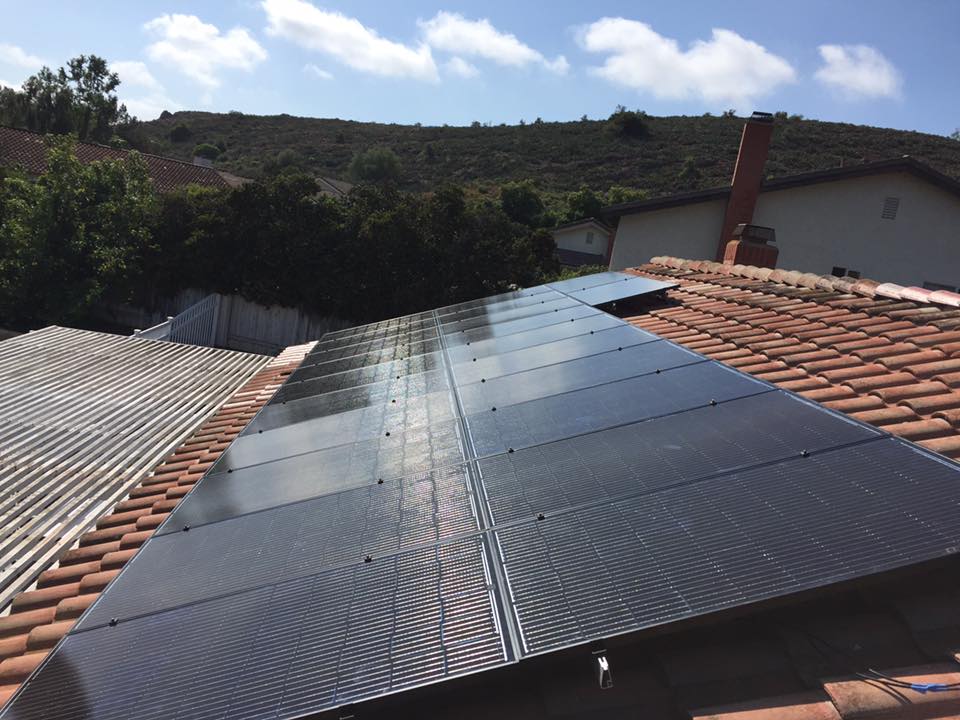
Tile Roof Lifespan and Tile Roofing FAQs for Calabasas Homeowners
Understanding tile roof lifespan in Calabasas often raises practical questions about performance, cost, and timing. Below are direct answers based on how tile roofing systems age in this climate.